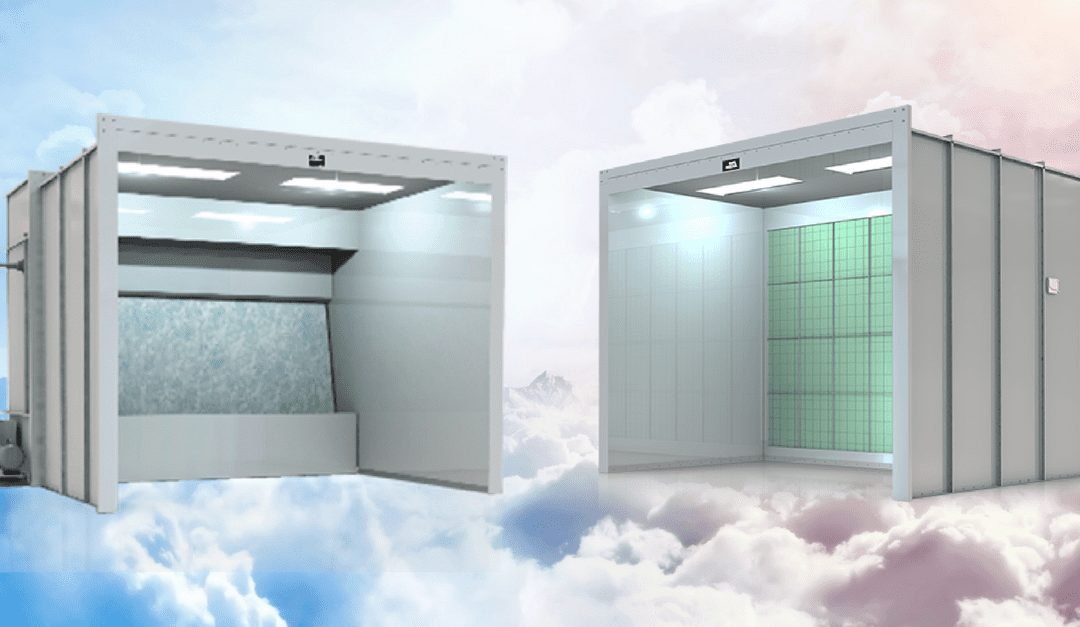
When it comes to industrial spray booth filtration, choosing between water wash and dry filter systems isn’t just a matter of preference; it’s a critical decision that impacts your operation’s efficiency, compliance, and bottom line. With stringent NFPA 33 regulations and growing production demands, selecting the right filtration system has never been more important.
Understanding Your Filtration Options
Before diving into the specifics of water wash vs dry filter booth systems, it’s essential to understand that both technologies serve the same fundamental purpose: capturing overspray particles to maintain a safe working environment and ensure regulatory compliance.
However, the way they achieve this goal varies significantly. The filtration system you choose will affect everything from your initial investment and ongoing operational costs to your ability to meet production deadlines and maintain NFPA 33 compliance.
Information You Need
Code violations cannot be understated. Download our comprehensive PDF to learn how to design the perfect spray booth while avoiding code violations before it costs you.
Do I Need a Water Wash or Dry Filter Booth?
Choose Water Wash If You Have:
- High-volume production (>20 hours/week of spraying)
- Consistent coating types with minimal changeovers
- Strict environmental regulations requiring maximum efficiency
- Space for water treatment systems
- Budget for higher initial investment
- Need for continuous, uninterrupted operation
Choose Dry Filter If You Have:
- Lower volume production (<20 hours/week of spraying)
- Frequent color or coating type changes
- Limited floor space
- Tighter initial budget constraints
- Primarily powder coating applications
- Need for portable or relocatable equipment
Water Wash Filtration Systems: The High-Performance Solution
Water wash spray booths utilize a curtain of water to capture overspray particles before they can escape into the environment. As contaminated air passes through the booth, it encounters water sheets or waterfalls that trap paint particles. The water continuously circulates through the system, with chemicals added to prevent paint from adhering to booth surfaces and to aid in sludge removal.
The engineering behind water wash systems involves multiple stages:
- Primary Collection: Water curtains or sheets capture the majority of overspray
- Scrubbing Action: Turbulent water flow ensures thorough particle capture
- Separation: Paint sludge is separated from water using flotation or filtration
- Recirculation: Treated water returns to the system
NFPA 33 Compliance and Water Wash Systems
Water wash booths inherently provide several NFPA 33 compliance advantages. The constant water presence significantly reduces fire risk, as water acts as both a capture medium and a fire suppression system.
These systems typically achieve 95-99% efficiency in overspray capture, exceeding most regulatory requirements. For facilities handling large equipment spray booths, particularly in aerospace applications, this level of safety and efficiency is often non-negotiable.
Best Applications for Water Wash Systems
- Aerospace Manufacturing
- Automotive Production Lines
- Heavy Equipment Manufacturing
- High-Production Metal Fabrication
Advantages of Water Wash Filtration
- Superior Overspray Capture Efficiency
- Continuous Operation Capability
- Enhanced Fire Safety
- Consistent Booth Conditions
- Handles Various Coating Types
Considerations for Water Wash Filtration
- Higher Initial Investment
- Water Treatment Requirements
- Increased System Complexity
- Humidity Concerns
- Space Requirements
Dry Filter Filtration Systems: The Flexible, Cost-Effective Choice
Dry filter spray booths utilize disposable filter media to capture overspray particles. Air contaminated with overspray passes through multiple filtration stages, with each stage designed to capture progressively smaller particles. Modern dry filter systems employ various media types, from simple fiberglass pads to advanced synthetic materials offering extended service life.
The filtration process typically involves:
- Arrestance Stage: Large particles are captured by the first filter layer
- Progressive Filtration: Subsequent stages capture smaller particles
- Final Filtration: High-efficiency filters ensure clean exhaust air
- Exhaust: Cleaned air is expelled or recirculated
NFPA 33 Compliance with Dry Filter Systems
Achieving NFPA 33 compliance with dry filter systems requires careful attention to filter selection, replacement schedules, and booth design. Key compliance factors include:
- Maintaining proper airflow velocities (typically 100 fpm minimum)
- Using approved filter media for specific coating types
- Implementing regular filter replacement schedules
- Ensuring adequate fire suppression systems
- Proper disposal of contaminated filters
Best Applications for Dry Filter Systems
- Custom Job Shops
- Powder Coating Operations
- Wood Finishing Facilities
- Low to Medium Volume Production
- Portable and Temporary Applications
Advantages of Dry Filter Filtration
- Lower Initial Investment
- Simplified Installation
- No Water Treatment Required
- Better for Certain Coatings
- Easier Relocation
- Lower Humidity Environment
Considerations for Dry Filters
- Ongoing Filter Replacement Costs
- Production Interruptions
- Limited Capacity Between Changes
- Disposal Requirements
- Fire Risk Considerations
- Lower Overall Efficiency
Making the Right Choice for Your Operation
Choosing between water wash and dry filter booth systems is a decision with extended effects on your business operations. While both technologies can provide effective overspray capture and NFPA 33 compliance, their suitability varies dramatically based on your specific requirements.
The key to making the right decision lies in thoroughly understanding your current and future requirements, carefully analyzing the total cost of ownership, and working with experienced manufacturers who can provide custom spray booth solutions tailored to your specific needs.
Take the Next Step Toward the Perfect Spray Booth Solution
Don’t leave this critical decision to chance. Spray Systems’ expertise in custom spray booth design and manufacturing ensures you get a solution perfectly matched to your needs. Whether that’s a high-capacity water wash system for aerospace applications, a flexible dry filter system for custom fabrication, or a specialized large equipment spray booth for oversized components.
Ready to find your ideal filtration solution?